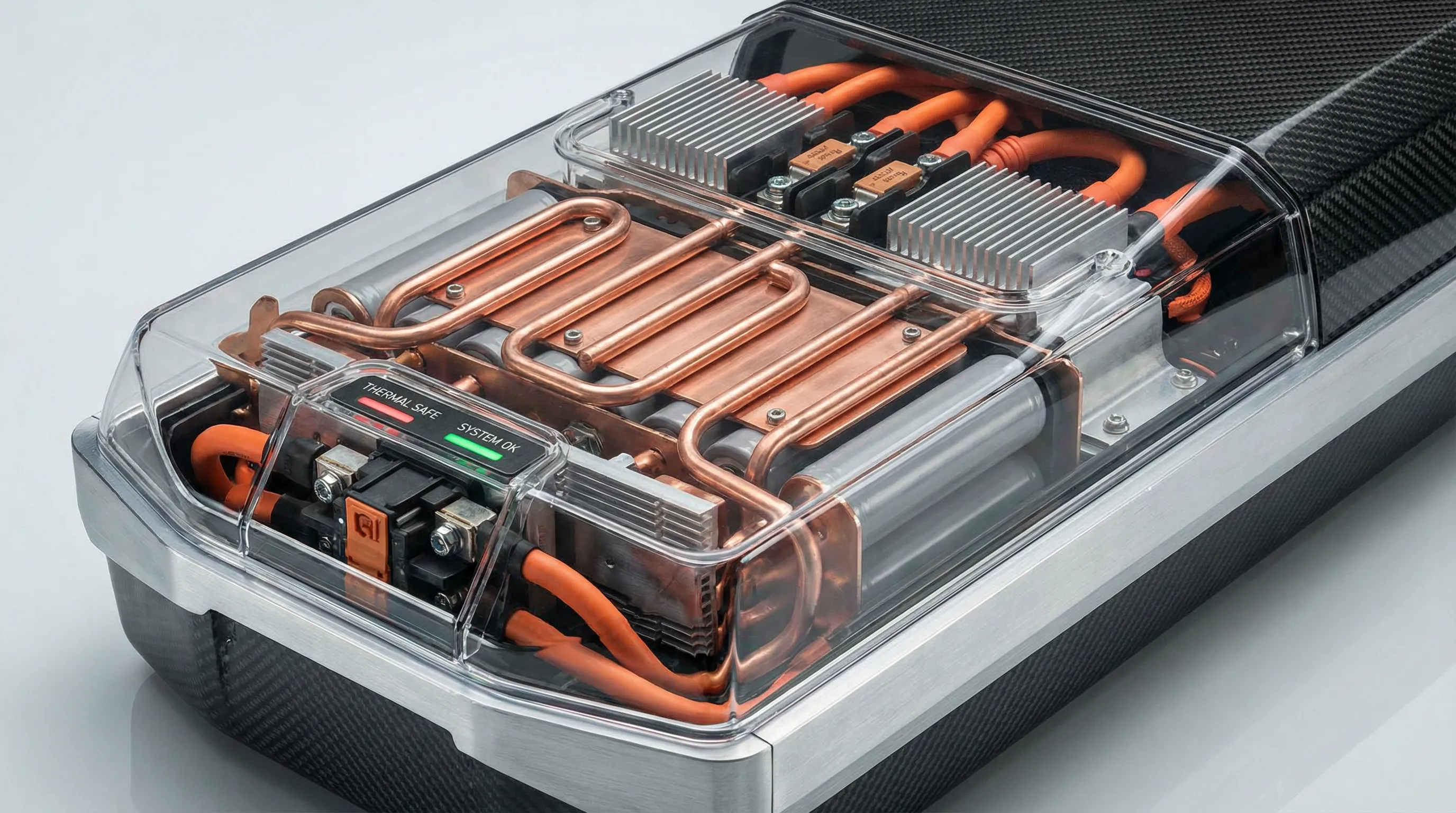
The Heart of Your Ride: Understanding Lithium-Ion Battery Risks
Electric scooters and motorcycles are powered by high-energy lithium-ion (Li-ion) battery packs, the same technology that powers our smartphones and laptops, but on a much larger scale. These batteries pack an incredible amount of energy into a small space, which is what gives your two-wheeler its impressive range and performance. However, this high energy density also comes with inherent risks. The most significant of these is "thermal runaway," a dangerous and self-perpetuating chain reaction where a battery cell overheats, causing a fire or even an explosion that can quickly spread to other cells.
While statistically rare, the consequences of a battery fire can be devastating. According to the U.S. Consumer Product Safety Commission (CPSC), there has been a dramatic increase in emergency room-treated injuries and deaths associated with micromobility devices, with fires being a significant contributor. These incidents often happen during charging, turning a convenient mode of transport into a serious household hazard, especially when it blocks an exit path.
Common Culprits: What Causes E-Scooter and E-Bike Battery Fires?
Understanding the root causes of battery failure is the first step toward prevention. It's rarely a single issue, but often a combination of factors that leads to a dangerous situation. Being aware of these culprits can help you mitigate the risks significantly.
Manufacturing Defects and Low-Quality Batteries
In the booming market of electric two-wheelers, not all batteries are created equal. To cut costs, some manufacturers use substandard materials or poor-quality control processes. These low-quality batteries are far more susceptible to internal short circuits, which are a primary trigger for thermal runaway. Always purchase from reputable brands and be wary of deals that seem too good to be true. A cheap, uncertified battery is a gamble you don't want to take.
Physical Damage
A Li-ion battery's internal structure is delicate. A hard impact from a crash, a drop, or even a puncture from road debris can damage the thin separators between the battery cells. This can lead to an internal short circuit and, subsequently, thermal runaway. It's crucial to inspect your battery pack regularly for any signs of physical damage, such as dents, cracks, or swelling.
Improper Charging and Uncertified Chargers
How you charge your battery is just as important as the battery itself. One of the most common mistakes is using an incorrect or uncertified charger. Each battery is designed to be charged with a specific voltage and current, managed by its Battery Management System (BMS). Using a third-party charger that doesn't match these specifications can lead to overcharging, overheating, and eventual failure. Furthermore, leaving a device to charge unattended for extended periods, especially overnight, significantly increases the risk.
Your Safety Checklist: Best Practices for Battery Care
Responsible ownership is key to enjoying your electric two-wheeler safely. By incorporating these best practices into your routine, you can drastically reduce the risk of a battery-related incident.
Charging with Care
- Always use the manufacturer-provided or a certified charger. Avoid cheap, generic chargers at all costs.
- Charge in a safe space. This means a flat, dry, open area away from flammable materials, direct sunlight, and extreme temperatures. Never charge near doorways or escape routes.
- Don't charge unattended. Unplug the charger once the battery is full. Avoid charging overnight while you sleep.
- Let it cool down. After a ride, give your battery time to cool to room temperature before plugging it in. The same goes for after charging—let it rest before you ride.
Smart Storage and Handling
- Store your battery properly. If you're not using your vehicle for an extended period, store the battery in a cool, dry place, ideally at a state of charge between 40% and 60% as recommended by most manufacturers.
- Inspect regularly. Before every ride, give your battery a quick visual check for any signs of damage, swelling, or leaking. If you notice anything unusual, do not use or charge the battery. Contact the manufacturer immediately.
- Handle with respect. Treat your battery like the sensitive piece of high-tech equipment it is. Avoid dropping it or subjecting it to harsh impacts.
The Power of Certification
When purchasing an electric two-wheeler or a replacement battery, look for products that are certified by a nationally recognized testing laboratory, such as Underwriters Laboratories (UL). Key certifications to look for are UL 2272 for the electrical system of personal e-mobility devices and UL 2849 for e-bikes. These certifications ensure that the battery, charger, and BMS have undergone rigorous testing for safety and will function correctly as a complete system, offering a critical layer of protection and peace of mind.
By staying informed and adopting these safety-conscious habits, you can confidently enjoy the freedom and fun of your electric ride, knowing you've taken the necessary steps to protect yourself, your home, and your machine. '''


