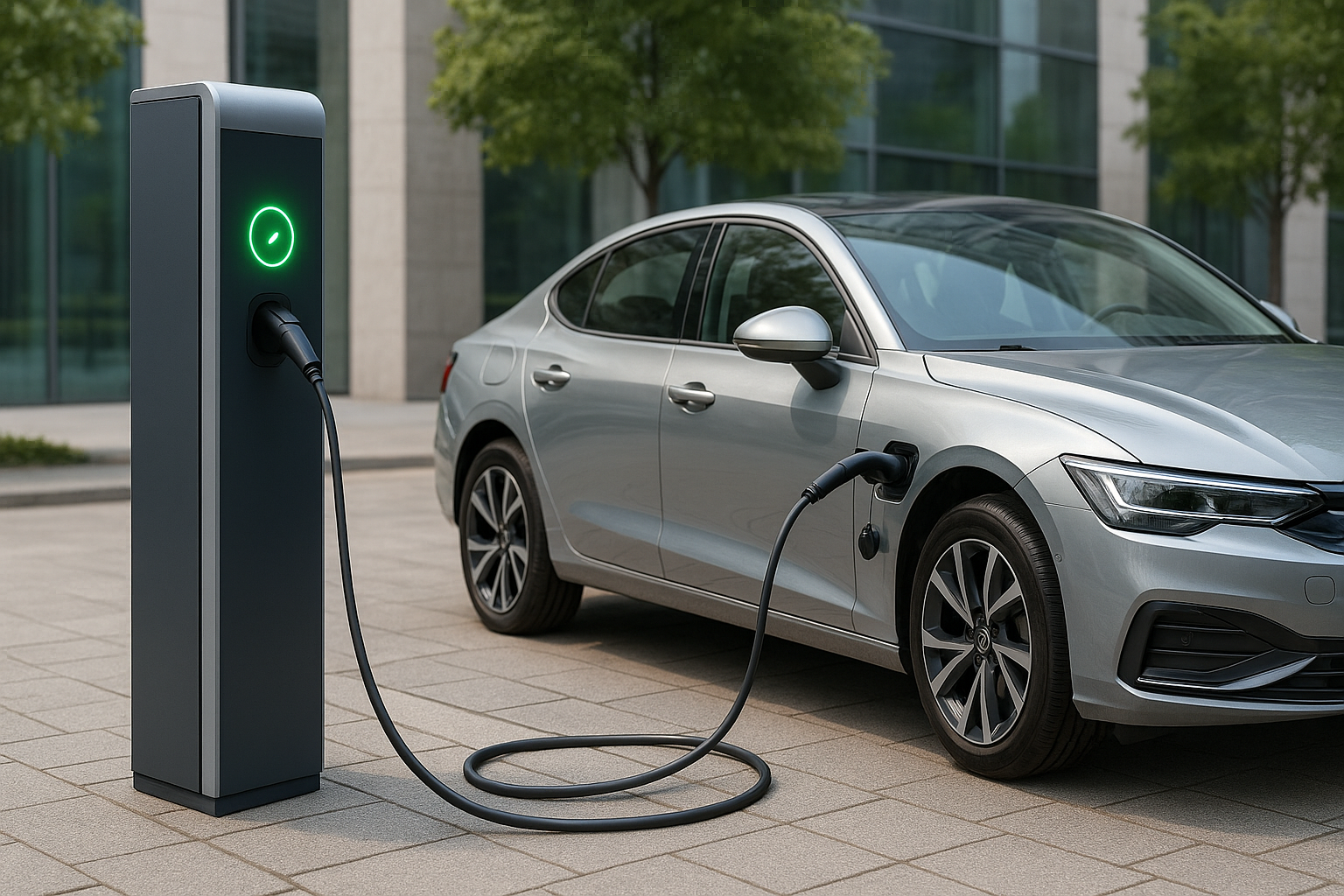
As electric vehicles (EVs) take over the roads, one area leading the charge, quite literally, is EV charging innovation. From faster charging times to smarter, more sustainable systems, advancements in electric vehicle charging technology are shaping how we power up and drive into the future. At Electric Motor Feed, we explore how these groundbreaking developments are revolutionizing mobility and making clean transportation more accessible than ever.
The Rise of EV Charging Innovation
Over the last decade, EV charging innovation has evolved beyond simple plug-in chargers. Today, we see a strong focus on creating smart EV charging solutions, improving grid efficiency, and introducing EV wireless charging systems that make powering your car as easy as parking it.
Innovations like ultra-fast DC charging, which can replenish up to 80% of a battery in just 15–30 minutes, are becoming the new normal. Meanwhile, intelligent charging networks powered by artificial intelligence and IoT are helping EV owners monitor energy usage, locate available chargers, and optimize costs based on time-of-day pricing.
At the core of these innovations lies a shared mission: to make EV charging faster, smarter, and greener.
Smart EV Charging Solutions: Driving Efficiency
Smart charging is redefining the relationship between EVs, users, and the power grid. With smart EV charging solutions, vehicles communicate directly with charging stations and even utility providers to balance demand intelligently.
These systems adjust charging rates automatically, favoring renewable energy sources when available. For example, if solar or wind energy production is high, the system prioritizes using that clean power for charging. Conversely, it can slow charging during peak demand to relieve grid pressure.
This two-way interaction creates a more resilient energy ecosystem and helps reduce electricity costs for drivers. It’s not just about convenience, it’s about creating a sustainable, data-driven network that benefits both consumers and the planet.
The Future of Electric Vehicle Charging
The future of electric vehicle charging is bright, wireless, and seamlessly connected. Companies and researchers are developing technologies that could eliminate charging cables. EV wireless charging systems, also known as inductive charging, use magnetic fields to transfer energy between a pad on the ground and a receiver on the vehicle.
Imagine driving home, parking in your garage, and your EV starts charging automatically, no plugs, no hassle. Public infrastructure is catching up, too, with some cities experimenting with dynamic wireless charging, where vehicles can recharge while driving on specially equipped roads.
Beyond convenience, the integration of vehicle-to-grid technology (V2G) will allow EVs to send power back to the grid during high-demand periods. This transforms cars into mobile energy storage units, supporting the grid and even helping owners earn rewards for energy sharing.
Ready to stay updated on the latest EV breakthroughs? Visit us for in-depth insights into the evolving world of electric mobility!
Battery Swap vs Charging: Which Wins?
Another exciting area of EV charging innovation is the debate between battery swapping and traditional charging. Battery swapping allows drivers to exchange a depleted battery for a fully charged one in just a few minutes, an approach gaining traction in countries like China and India.
While this method promises incredible speed, it requires standardized battery designs and extensive infrastructure investment. On the other hand, rapid charging stations continue to improve in efficiency and accessibility, making them more practical for most regions.
Both technologies will likely coexist, catering to different markets and needs. Battery swapping might dominate in commercial fleets and taxis, while fast charging suits individual users and long-distance travelers.
Integrating Renewable Energy into EV Charging
Sustainability lies at the heart of electric vehicle charging technology. The next wave of innovation focuses on aligning EV charging infrastructure with renewable energy sources like solar and wind.
Solar-powered charging stations and smart grids are becoming increasingly common, offering zero-emission energy for EV users. Combining solar panels with smart EV charging solutions not only reduces carbon footprints but also ensures a consistent energy supply even during grid fluctuations.
In the long term, this synergy will help create a fully circular, carbon-neutral ecosystem, where clean energy powers clean transportation.
Global Trends in EV Charging Innovation
Countries across the world are investing heavily in EV infrastructure to meet sustainability goals. Europe leads the race with widespread adoption of ultra-fast chargers, while the U.S. is investing billions through its National Electric Vehicle Infrastructure (NEVI) program. Meanwhile, Asia is experimenting with battery swap vs charging systems to improve fleet efficiency.
The future of electric vehicle charging will likely include a blend of wired, wireless, and battery-exchange solutions, each playing a critical role in accelerating EV adoption worldwide.
Challenges in EV Charging Innovation
Despite significant progress, challenges remain. High infrastructure costs, varying charger standards, and limited grid capacity in some regions can slow adoption. Moreover, EV wireless charging systems are still in early stages of deployment, requiring substantial investment and regulatory support.
However, with continuous R&D, government incentives, and growing consumer demand, these hurdles are being overcome faster than ever.
Explore more about EV technology and trends on Electric Motor Feed, your go-to hub for all things electric mobility!
Frequently Asked Questions (FAQs)
1. What is EV charging innovation?
EV charging innovation refers to the technological advancements that make charging electric vehicles faster, smarter, and more sustainable. It includes developments like wireless charging, smart grids, and V2G technology.
2. What are smart EV charging solutions?
Smart charging systems use real-time data to optimize charging based on energy demand, pricing, and availability. They help balance the grid and promote renewable energy use.
3. How does vehicle-to-grid (V2G) technology work?
V2G technology allows EVs to send stored energy back to the power grid, helping to stabilize the electricity supply and rewarding drivers for contributing energy.
4. Is wireless EV charging available today?
Yes, wireless charging systems are in the pilot phase in several cities and private settings. Commercial rollout is expected to expand significantly over the next few years.
5. What’s better: battery swapping or fast charging?
Battery swapping is faster but requires standardization, while fast charging is more widely accessible. Both will likely play roles in the future of EV charging.
Final Thoughts
The journey toward a greener, more connected world depends heavily on EV charging innovation. From smart EV charging solutions to EV wireless charging systems and vehicle-to-grid technology, every breakthrough brings us closer to a sustainable transportation ecosystem.
At Electric Motor Feed, we believe innovation is the driving force behind the electric revolution, one charge at a time.