The Rise of Shared Electric Micromobility
The Major Players: A Comparative Look
The Economics of Electric Ride-Sharing
Environmental Impact: A Green Solution?
Navigating the Urban Landscape: City Regulations
The Dark Side: Vandalism and Theft
The Future of Shared Electric Micromobility
Frequently Asked Questions (FAQs)
References
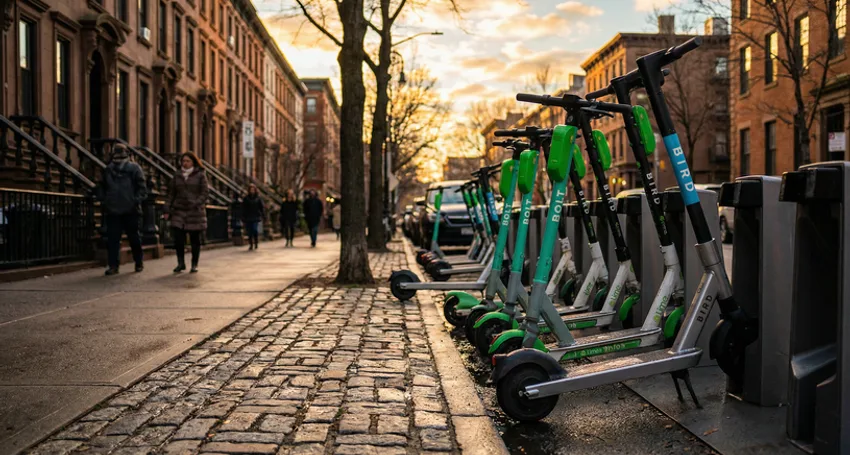
Shared electric micromobility is rapidly transforming the urban transportation landscape. You've likely seen them in your city: fleets of electric scooters and bikes from companies like Lime, Bird, Tier, and Bolt, offering a convenient and seemingly eco-friendly way to get around. This shift towards electric vehicles is not just a trend; it's a significant movement that's reshaping how we think about city travel. But what are the real-world implications of this transition? This article delves into the multifaceted world of shared electric micromobility, exploring the economics, environmental impact, regulatory challenges, and the future of this burgeoning industry.
The Rise of Shared Electric Micromobility
The concept of shared micromobility has been around for over a decade, but the introduction of electric-powered vehicles has supercharged its growth. In 2023 alone, riders in the U.S. and Canada took a record-breaking 157 million trips on shared bikes and scooters, a 20% increase from the previous year [1]. This surge in popularity is driven by several factors, including the convenience of app-based rentals, the desire for more sustainable transportation options, and the ability to bypass traffic congestion in dense urban areas. The COVID-19 pandemic also played a role, as people sought out socially-distanced modes of travel.
The Major Players: A Comparative Look
Several key companies have emerged as leaders in the shared electric micromobility space. While they all share the common goal of providing on-demand electric transportation, their approaches and offerings can vary. Here's a look at some of the major players:
| Company | Vehicle Types | Key Features |
|---|---|---|
| Lime | E-scooters, E-bikes, Seated E-scooters | Gen4 models, focus on sustainability, wide city presence |
| Bird | E-scooters, E-bikes | Bird Three and Bird Bikeshare programs, partnerships with cities and fleet managers |
| Tier | E-scooters, E-bikes, E-mopeds | Focus on safety and sustainability, swappable batteries |
| Bolt | E-scooters, E-bikes | Integrated with ride-hailing and food delivery services |
These companies are constantly innovating, introducing new vehicle models with improved safety features, longer battery life, and more durable designs. The competition is fierce, leading to a dynamic and rapidly evolving market.
The Economics of Electric Ride-Sharing
While the convenience of shared electric micromobility is undeniable, the economic model behind it is complex and has faced significant challenges. For the user, the cost can be a deterrent. A typical 30-minute ride on a station-based bike share can cost around $3.85, while an e-bike ride for the same duration can be as much as $7.00 or more [1]. Dockless e-scooters and e-bikes, while offering shorter average trip times, can be even more expensive per trip, with some rides costing as much as $11 for 15 minutes [1]. These high costs can make shared micromobility an unattractive option for daily commuting for many people.
For the companies, profitability has been elusive. The industry has been marked by bankruptcies and mass layoffs, with several operators ceasing operations in cities overnight [1]. The initial venture capital-fueled boom has given way to a more challenging reality, where the costs of vehicle maintenance, charging, and replacement, coupled with the need to comply with city regulations, have made it difficult to achieve sustainable profitability. As a result, many cities are now exploring public-private partnerships and subsidies to ensure the long-term viability of these services.
Environmental Impact: A Green Solution?
The environmental benefits of shared electric micromobility are a key selling point for companies and a major reason for their adoption by cities. By replacing car trips, e-scooters and e-bikes can help reduce greenhouse gas emissions and air pollution. However, the true environmental impact is more nuanced. The manufacturing of the vehicles, particularly the batteries, has a significant carbon footprint. The lifespan of the vehicles is also a critical factor; a shorter lifespan means that the environmental cost of manufacturing is spread over fewer trips, increasing the overall impact per trip.
Furthermore, the operational side of the business, which involves collecting, charging, and redistributing the vehicles, often relies on fossil fuel-powered vans, which can offset some of the environmental gains. Despite these challenges, studies have shown that shared e-scooters can contribute to reducing greenhouse gas emissions, especially when they replace car trips and have a longer service life [2].
Navigating the Urban Landscape: City Regulations
The rapid proliferation of electric scooters and bikes in cities has led to a patchwork of regulations as municipalities grapple with how to manage these new modes of transportation. Common regulations include speed limits, designated riding areas (e.g., bike lanes), and no-ride zones (e.g., sidewalks in busy commercial districts). Many cities also require operators to obtain permits and pay fees to operate, and some have implemented fleet size caps to prevent an over-saturation of vehicles.
These regulations are designed to enhance safety for both riders and pedestrians, and to ensure that scooters and bikes are parked responsibly. However, the lack of consistent regulations across different cities and states can create confusion for both riders and operators. The industry is still in a state of flux, with cities and companies continuously adapting to find the right balance between innovation and regulation.
The Dark Side: Vandalism and Theft
One of the most significant operational challenges for shared micromobility companies is the high rate of vandalism and theft. Scooters and bikes are often left in public spaces, making them easy targets for damage or appropriation. Stories of scooters being thrown into rivers, set on fire, or simply broken apart are common. This not only results in significant financial losses for the companies but also creates a negative public perception of the services.
In response, companies are investing in more robust vehicle designs and anti-theft technologies. These include GPS tracking, alarm systems, and remote locking capabilities. Some companies are also experimenting with different operational models, such as designated parking zones and partnerships with local businesses to provide secure charging and storage locations. However, vandalism and theft remain a persistent problem that the industry is still struggling to solve.
The Future of Shared Electric Micromobility
Despite the challenges, the future of shared electric micromobility looks bright. As cities continue to grow and grapple with traffic congestion and air pollution, the demand for convenient and sustainable transportation options will only increase. We can expect to see continued innovation in vehicle technology, with a focus on improving safety, durability, and battery life. The integration of shared micromobility with public transit systems is also likely to become more seamless, creating a more integrated and efficient urban transportation network.
The business model is also likely to evolve, with a greater emphasis on public-private partnerships and a more sustainable approach to growth. As the industry matures, we can expect to see a consolidation of the market, with a few key players emerging as the dominant providers. Ultimately, the success of shared electric micromobility will depend on the ability of companies and cities to work together to create a system that is safe, affordable, and accessible to all.
Frequently Asked Questions (FAQs)
1. Are electric scooters and bikes really better for the environment?
While they have the potential to be more environmentally friendly than cars, their overall impact depends on factors like manufacturing processes, vehicle lifespan, and the energy sources used for charging. When used to replace car trips, they can significantly reduce carbon emissions.
2. Why are shared electric scooters and bikes so expensive to ride?
The cost of a ride reflects the high operational costs for the companies, including vehicle purchase and maintenance, charging, and compliance with city regulations. The industry is still working to find a more sustainable and affordable pricing model.
3. What are cities doing to make riding electric scooters and bikes safer?
Cities are implementing a variety of measures to improve safety, including creating dedicated bike lanes, setting speed limits, and enforcing no-ride zones on sidewalks. They are also working with companies to promote rider education and responsible parking.
References
[1] NACTO. (2023). Shared Micromobility Report: 2023. https://nacto.org/publication/shared-micromobility-report-2023/ [2] University College London. (2023). Study Finds: Shared E-Scooters Offer Environmental Benefits. https://urban-mobility-observatory.transport.ec.europa.eu/news-events/news/study-finds-shared-e-scooters-offer-environmental-benefits-2023-07-20_en
Related Articles
- 11 Best Electric Bikes: Cool Two Wheelers E-Bike (2023)
- Are Electric Motorcycles Safe? Everything You Need to Know Before You Ride
- Are Electric Scooters Eco-Friendly? Understanding the Environmental Impact of E-Scooters