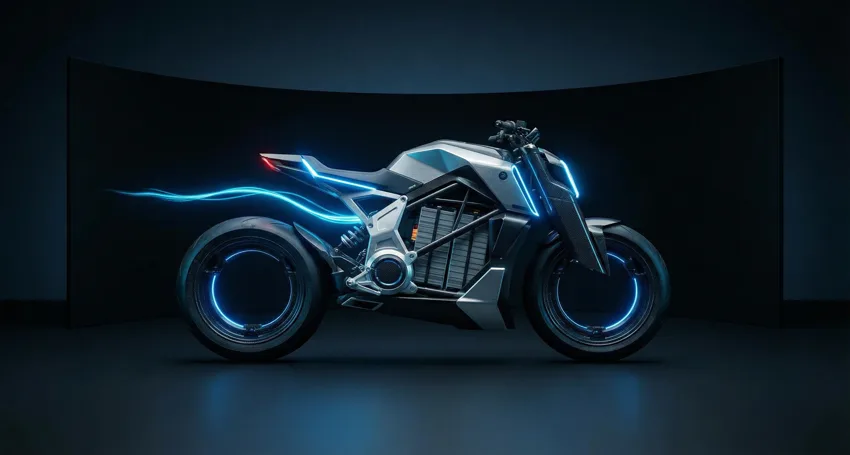
Southeast Asia is rapidly emerging as a global hotspot for electric mobility, particularly in the two-wheeler segment. With a combination of government support, increasing environmental awareness, and a burgeoning middle class, the region is witnessing a significant shift from traditional gasoline-powered motorbikes to their electric counterparts. This article explores the dynamic electric two-wheeler market in Southeast Asia, delving into the key growth drivers, challenges, and the major players shaping the future of mobility in this vibrant region.
The Booming Market: Growth and Projections
The electric two-wheeler market in Southeast Asia is on a steep upward trajectory. According to a report by McKinsey, combined sales in the region are projected to reach between three and four million units by 2030 [1]. Another report from Towards Automotive predicts that the broader Asian electric two-wheeler market, excluding China, will soar from $68.47 billion in 2025 to a staggering $295.69 billion by 2034, boasting a compound annual growth rate (CAGR) of 17.65% [2].
This impressive growth is fueled by several factors. Governments across the region are implementing policies to encourage the adoption of electric vehicles, including subsidies, tax incentives, and investments in charging infrastructure. Consumers, particularly in urban areas, are increasingly drawn to the environmental benefits and lower running costs of electric two-wheelers. The rise of local and international startups is also injecting innovation and competition into the market, offering consumers a wider range of choices.
Key Markets in Focus
While the entire region is experiencing growth, a few countries stand out as leaders in the electric two-wheeler revolution.
Vietnam: A Leader in the Electric Revolution
Vietnam has firmly established itself as a frontrunner in the Southeast Asian electric two-wheeler market. The country's motorcycle market is one of the largest in the world, and the transition to electric is well underway. In 2025 alone, the Vietnamese motorcycle market grew by 14.9% to 3.4 million units, with a significant portion of that growth attributed to electric models [3].
Leading the charge are domestic brands like VinFast and Dat Bike. VinFast, a subsidiary of the Vingroup conglomerate, has become a dominant force, selling over 400,000 electric motorbikes in 2025 [4]. Dat Bike, a local startup, has also gained traction with its focus on performance and innovative battery technology. However, the rapid growth has not been without its challenges, with some consumers reporting issues with after-sales service and vehicle registration [5].
Indonesia: Navigating Challenges and Opportunities
Indonesia, with its massive population and high motorcycle penetration, represents a huge potential market for electric two-wheelers. The government has recognized this and has introduced various incentives to spur adoption, including a subsidy of IDR 7 million (approximately $425) for the purchase of an electric motorcycle [6]. However, the implementation of these incentives has been inconsistent, leading to some uncertainty in the market.
Despite these challenges, the Indonesian electric two-wheeler market is projected to grow from $108 million in 2024 to $690 million by 2032 [7]. The market is currently characterized by a strong presence of Chinese brands, but domestic players and international companies like VinFast are also making inroads.
Thailand: A Slower but Steady Transition
Thailand's journey towards electric mobility has been more measured compared to Vietnam and Indonesia. The transition to electric motorcycles has been slower than anticipated, with sales declining in 2024 and market penetration remaining low at just 1.3% in 2025 [8].
One of the main challenges in the Thai market is its fragmentation. With over a dozen manufacturers competing for market share, issues with service and the availability of spare parts have become a concern for consumers [9]. Nevertheless, the Thai government remains committed to promoting electric vehicles and has introduced a range of subsidies and tax breaks to attract investment and encourage manufacturing in the country.
The Philippines: An Emerging Market
Information on the electric two-wheeler market in the Philippines is still emerging, but it is clear that the country holds significant potential for growth. As in other Southeast Asian nations, urbanization, traffic congestion, and a growing awareness of environmental issues are likely to drive the adoption of electric two-wheelers in the coming years. Further research is needed to identify the dominant brands and key market trends in the Philippines.
Tale of the Tape: VinFast vs. Dat Bike
To give you a better idea of the types of electric two-wheelers available in the Southeast Asian market, here is a comparison of two popular models from Vietnam’s leading brands, VinFast and Dat Bike:
| Feature | VinFast Klara S | Dat Bike Weaver 200 |
|---|---|---|
| Motor | 1,200W Bosch | 6,000W |
| Top Speed | 48 mph (78 km/h) | 56 mph (90 km/h) |
| Range | ~100 miles (160 km) | 124 miles (200 km) |
| Battery | 22.8 Ah Lithium-ion | 72V 68Ah Lithium-ion |
| Charging Time | 4 hours | 2.5 - 5 hours |
| Weight | N/A | 120 kg |
Note: Specifications may vary depending on the specific model and configuration.
The Road Ahead: Challenges and Opportunities
Despite the promising growth prospects, the electric two-wheeler market in Southeast Asia faces several hurdles that need to be addressed to unlock its full potential.
Infrastructure Hurdles
The lack of a robust charging infrastructure is a major barrier to the widespread adoption of electric two-wheelers. While many users can charge their vehicles at home, the availability of public charging stations is crucial for longer journeys and for those living in apartments or other high-density housing.
The Affordability Gap
While the total cost of ownership of an electric two-wheeler is often lower than that of a gasoline-powered one, the initial purchase price can still be a significant deterrent for many consumers. Closing this affordability gap through a combination of government subsidies, innovative financing models, and technological advancements will be key to accelerating market growth.
The Rise of Local and International Brands
The increasing competition between local and international brands is a double-edged sword. On the one hand, it is driving innovation and providing consumers with more choices. On the other hand, it is also leading to market fragmentation and challenges related to service and support. Establishing strong brand recognition and a reliable after-sales network will be crucial for success in this competitive landscape.
What to Expect: Future Growth Projections
The future of the electric two-wheeler market in Southeast Asia looks bright. With a large and growing population, increasing urbanization, and a strong government push towards sustainable transportation, the region is poised for exponential growth in the coming years. As the challenges of infrastructure and affordability are addressed, and as technology continues to evolve, electric two-wheelers are set to become an integral part of the urban mobility landscape in Southeast Asia.
Frequently Asked Questions (FAQs)
What are the most popular electric two-wheeler brands in Southeast Asia?
While the market is diverse, some of the most popular brands include VinFast and Dat Bike in Vietnam, as well as a number of Chinese brands that have a strong presence across the region.
What are the main challenges for the electric two-wheeler market in Southeast Asia?
The main challenges include the high initial cost of electric two-wheelers compared to their gasoline counterparts, the lack of a comprehensive charging infrastructure, and the fragmentation of the market with many different manufacturers.
Are there government incentives for buying electric two-wheelers in Southeast Asia?
Yes, many governments in Southeast Asia offer incentives to encourage the adoption of electric two-wheelers. These can include subsidies, tax breaks, and other financial benefits.
What is the difference between an electric scooter and an electric motorcycle?
While the terms are often used interchangeably, electric scooters typically have a step-through frame and smaller wheels, while electric motorcycles have a more traditional motorcycle design with larger wheels and a more powerful motor.
References
[1] A road map for revving up the Asian electric two-wheeler market [2] Asia Electric Two-Wheeler Market Driven by 17.65% CAGR [3] Vietnam Motorcycles Data & Facts 2026 [4] VinFast leads Vietnam's electric motorbike market in 2025 [5] WARNING to all Expats: DO NOT buy VinFast Bikes! 2+ ... - Reddit [6] Stakeholders Waiting for Electric Motorcycle Incentives in ... [7] Indonesia Electric Two-Wheeler Market - GMI Research [8] Thailand's Stalled Transition to Electric Motorcyclces [9] Thailand Electric Two-Wheeler Market Outlook to 2030