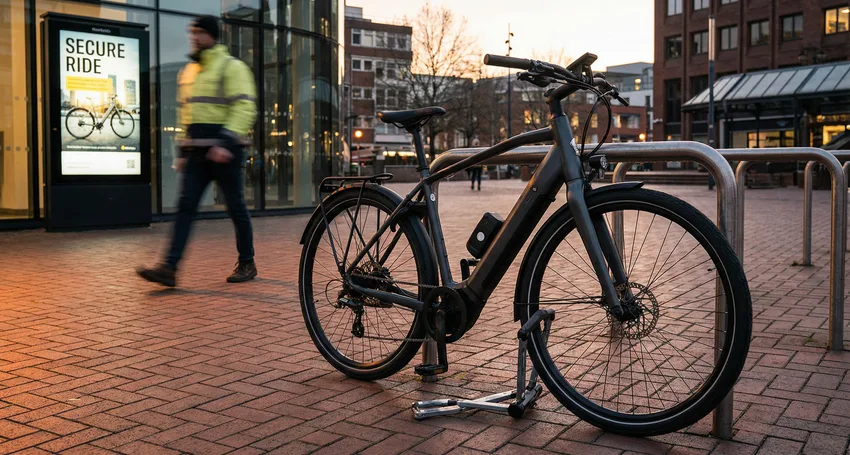
Electric bikes represent a significant investment, offering a convenient, eco-friendly, and enjoyable way to get around. However, their rising popularity and high value have also made them a prime target for thieves. The thought of your prized e-bike disappearing can be devastating, but with the right security measures, you can significantly reduce the risk of theft. This guide will walk you through a multi-layered approach to e-bike security, covering everything from physical locks and high-tech trackers to insurance and best practices.
The Sobering Reality of E-Bike Theft
The unfortunate truth is that e-bike theft is on the rise globally. Reports indicate a significant year-over-year increase in stolen e-bikes, with some areas seeing jumps of 25-40% or more. Compounding the problem is the low recovery rate; some statistics suggest that as few as 2% of stolen bikes are ever returned to their owners. This makes prevention not just a recommendation, but a necessity for any e-bike owner.
Your First Line of Defense: High-Quality Locks
A sturdy, reliable lock is the cornerstone of any e-bike security strategy. While no lock is completely theft-proof, a high-quality one can act as a powerful deterrent, making your bike a much less appealing target. Thieves often look for easy opportunities, and a formidable lock signals that stealing your bike will be a difficult and time-consuming task. Here’s a look at the most effective types of locks.
U-Locks: The Gold Standard
U-locks (or D-locks) are widely regarded as one of the most secure options available. They consist of a rigid steel shackle in a “U” shape and a crossbar. Their hardened steel construction makes them highly resistant to cutting with bolt cutters. When choosing a U-lock, look for one with a thick shackle (at least 13mm) and a double-locking mechanism, which means both ends of the shackle lock into the crossbar, providing greater resistance to twisting and prying.
- Pros: High security, resistant to cutting and prying.
- Cons: Can be heavy and their rigid shape limits what you can lock your bike to.
Chain Locks: Versatility and Strength
Chain locks offer more flexibility than U-locks, allowing you to secure your bike to a wider variety of objects like thick posts or awkwardly shaped racks. The security of a chain lock depends on the thickness and hardness of the chain links, as well as the quality of the padlock. For e-bikes, a chain with links of at least 10mm is recommended. Look for chains made from hardened steel alloys like manganese steel.
- Pros: Highly versatile, can secure multiple bikes, strong deterrent.
- Cons: Can be very heavy and cumbersome to carry.
Folding Locks: Compact and Convenient
Folding locks are made of a series of steel bars connected by pivots, allowing them to fold into a compact shape for easy transport. They offer a good balance of security and convenience, providing more flexibility than a U-lock while being lighter than a heavy-duty chain. While generally very secure, the pivot points can be a potential weak spot, so it's crucial to choose a model from a reputable brand.
- Pros: Compact, relatively lightweight, more flexible than U-locks.
- Cons: Can be more expensive, and the joints can be a vulnerability in lower-quality models.
| Lock Type | Security Level | Portability | Versatility | Price Range |
|---|---|---|---|---|
| U-Lock | High | Moderate | Moderate | $$ - $$$ |
| Chain Lock | Very High | Low | High | $$$ - $$$$ |
| Folding Lock | Moderate-High | High | Moderate-High | $$$ - $$$$ |
Doubling Down: GPS Trackers for Recovery
While a good lock is your best defense against theft, a GPS tracker offers a second layer of security and a chance at recovery if the worst happens. These devices are hidden on your e-bike and can transmit its location to your smartphone, allowing you or law enforcement to track it down.
Apple AirTag: A Budget-Friendly Option
For iPhone users, the Apple AirTag is an affordable and effective tracking solution. These small, coin-sized devices can be easily hidden on your e-bike. They work by leveraging Apple's vast Find My network; any nearby Apple device can anonymously detect the AirTag's Bluetooth signal and report its location. While not a real-time GPS tracker, they are a very popular and often successful recovery tool.
Dedicated GPS Trackers: Advanced Features
For more robust, real-time tracking, dedicated GPS trackers are the way to go. Brands like Bosch, BikeFinder, and PowUnity offer sophisticated systems designed specifically for e-bikes. These trackers often connect directly to your e-bike's battery and provide features like:
- Real-time location tracking via a dedicated app.
- Geofencing alerts that notify you if your bike moves outside a designated area.
- Motion-activated alarms that sound an alert and notify your phone.
Built-in GPS: The Integrated Solution
Some e-bike manufacturers are now integrating GPS tracking directly into their bikes. Companies like Aventon and Urtopia offer models with built-in anti-theft features, including GPS tracking and remote locking. This provides a seamless and tamper-resistant security solution right out of the box.
The Ultimate Safety Net: E-Bike Insurance
No matter how many precautions you take, theft is always a possibility. E-bike insurance provides financial protection and peace of mind. While your homeowner's or renter's insurance might offer some coverage, it's often limited and may not cover the full value of your e-bike, especially if it's stolen away from your home. Specialized e-bike insurance policies from companies like Velosurance, GEICO, and Progressive can cover:
- Theft: Reimburses you for the full value of your stolen e-bike.
- Accidental Damage: Covers repairs if your bike is damaged in an accident.
- Liability: Protects you if you're at fault in an accident that causes injury or property damage.
Proactive Measures: Registration and Documentation
Registering your e-bike is a simple but crucial step. Services like Bike Index and Project 529 operate national databases that law enforcement can use to identify and return stolen bikes. When you register, you'll record your bike's serial number, make, model, and photos. This documentation is invaluable if you ever need to file a police report or an insurance claim. Always keep a copy of your original purchase receipt as proof of ownership.
Best Practices for Parking Your E-Bike
Where and how you lock your bike is just as important as the lock you use.
- Always lock your bike, even if you're just leaving it for a minute.
- Choose a well-lit, high-traffic area. Thieves prefer to work in secluded spots.
- Lock your bike to a solid, immovable object. Make sure the object can't be easily cut or dismantled.
- Secure the frame and both wheels. Use a combination of locks or a long chain to secure all valuable components.
- Take removable parts with you, such as the battery and display, if possible.
Frequently Asked Questions (FAQs)
What's the most effective way to prevent e-bike theft? A multi-layered approach is best. Combine a high-quality lock (or two) with a GPS tracker, and always follow best practices for parking. Registering your bike and having insurance provides an additional safety net.
Is one lock enough for an e-bike? For high-crime areas or expensive e-bikes, using two different types of locks (e.g., a U-lock and a chain lock) is highly recommended. This forces a thief to use different tools and techniques, making your bike a much harder target.
Will my homeowner's insurance cover my stolen e-bike? It might, but coverage is often limited. Homeowner's policies may have low coverage limits for bikes, high deductibles, and may not cover theft that occurs away from your property. Specialized e-bike insurance is the most reliable option for comprehensive coverage.
By taking these steps, you can enjoy the freedom and fun of riding your electric bike with the confidence that you've done everything you can to protect it. Ride safe, and ride secure!