
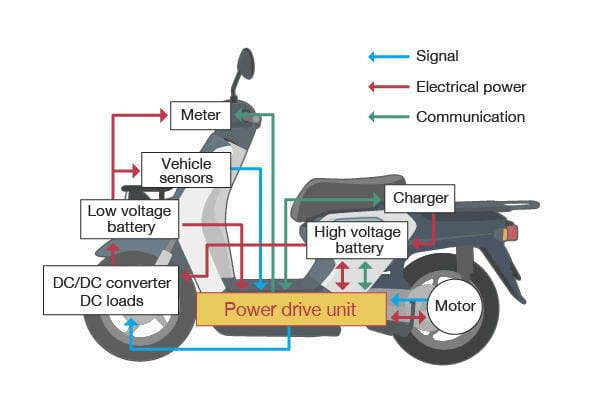
Similar to bikes fueled by gas, electric motorcycles operate on a similar basis. They produce power via an electric engine, which is subsequently converted into movement energy. But there is one significant distinction. An electric motorcycle’s engine runs on electricity rather than gasoline. Rechargeable batteries provide electricity.
Energy can be produced considerably more easily and cleanly by using electricity. There is no additional trash, no burning process is needed, and the components don’t degrade very quickly.
Let’s go through the specifics of how these motorcycles function and how they vary from motorcycles powered by gas. You can Also, Read About Worlds Coolest Eins Bike here.
Main Components Of An Electric Motorcycle:
Like any other motorbike, an electric motorcycle is made up of a huge number of parts. For the car to operate properly, each of these parts is crucial. Compared to gas-powered bikes, motorcycles require less maintenance and are simpler to use.
Rechargeable Battery:
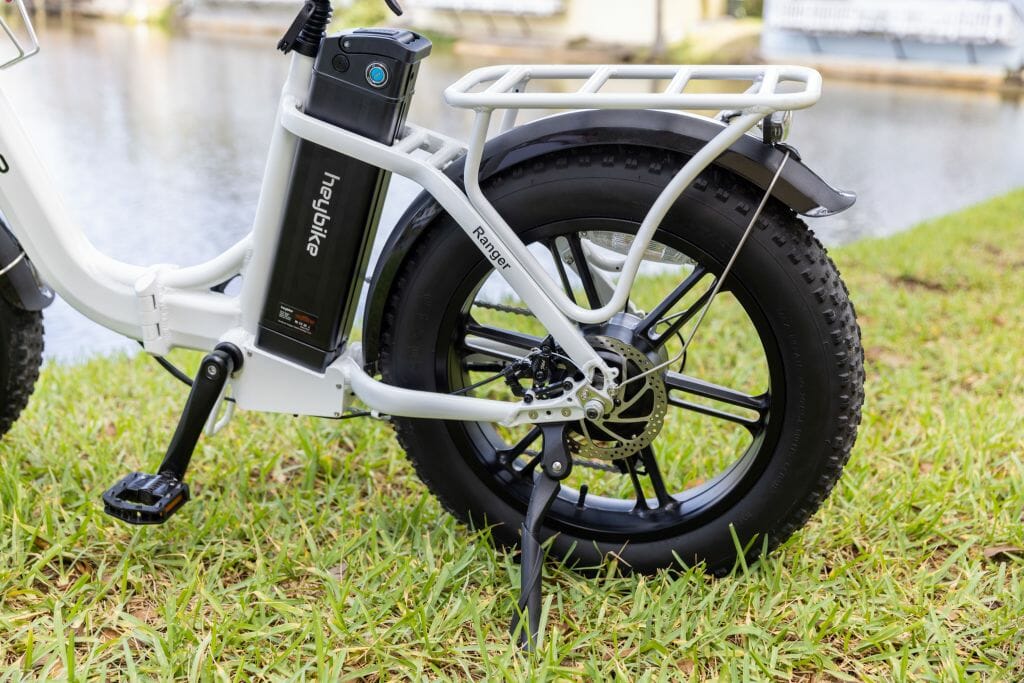
The most important component of a motorcycle is its battery. These bikes don’t need big engines, but instead, they require a lot of space for the batteries. Each electric bike usually uses one single battery.
There are multiple different types of batteries that are commonly used in electric motorcycles:
- Lithium
- Lithium Ion
- Lithium Phosphate
- Lithium Ion Phosphate
- Lead Acid
- Nickel Metal Hydride
All types of batteries are rechargeable and the lifespan is somewhere between 2-10 years, depending on the type.
Electric Motor:
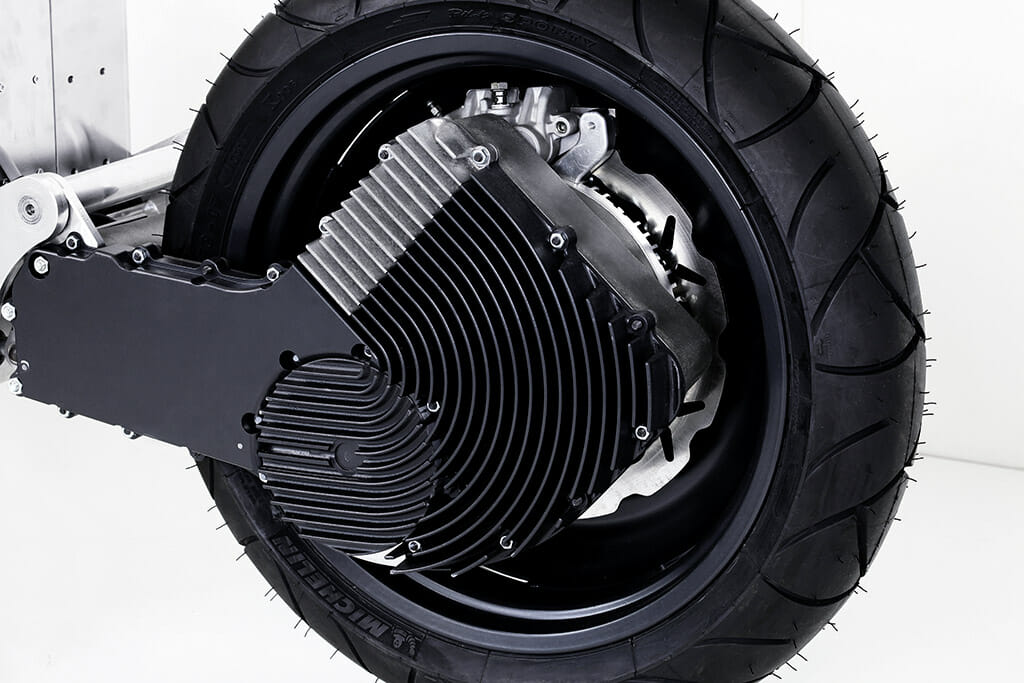
As there are fewer parts required for operation, the engine of a motorcycle is both significantly smaller and less complicated than the engines of traditional motorcycles. The two crucial components of gas-powered engines, a cylinder, and a piston, are absent. Additionally, electric engines do not require engine oil, which is required for lubrication in gas engines. Read More Electric motorcycles and scooters
Other Elements of Electric Motorcycle:
Both electric and gas-powered motorbikes include a variety of moving elements that are essential to their operation in order to transmit the power from the engine to the bike’s wheels. Chain and sprockets are the most crucial of these components.
However, some parts that are typically seen on petrol motorcycles, such as a clutch, petrol tank, or exhaust, are absent on electric motorcycles.
Power Generator Of An Electric Motorcycle:
Your Electric Motorcycles’ engine has to receive electricity in order to produce power; otherwise, it won’t function at all. A regular motorcycle without gas is equivalent to an electric bike without electricity.
Battery Charging:
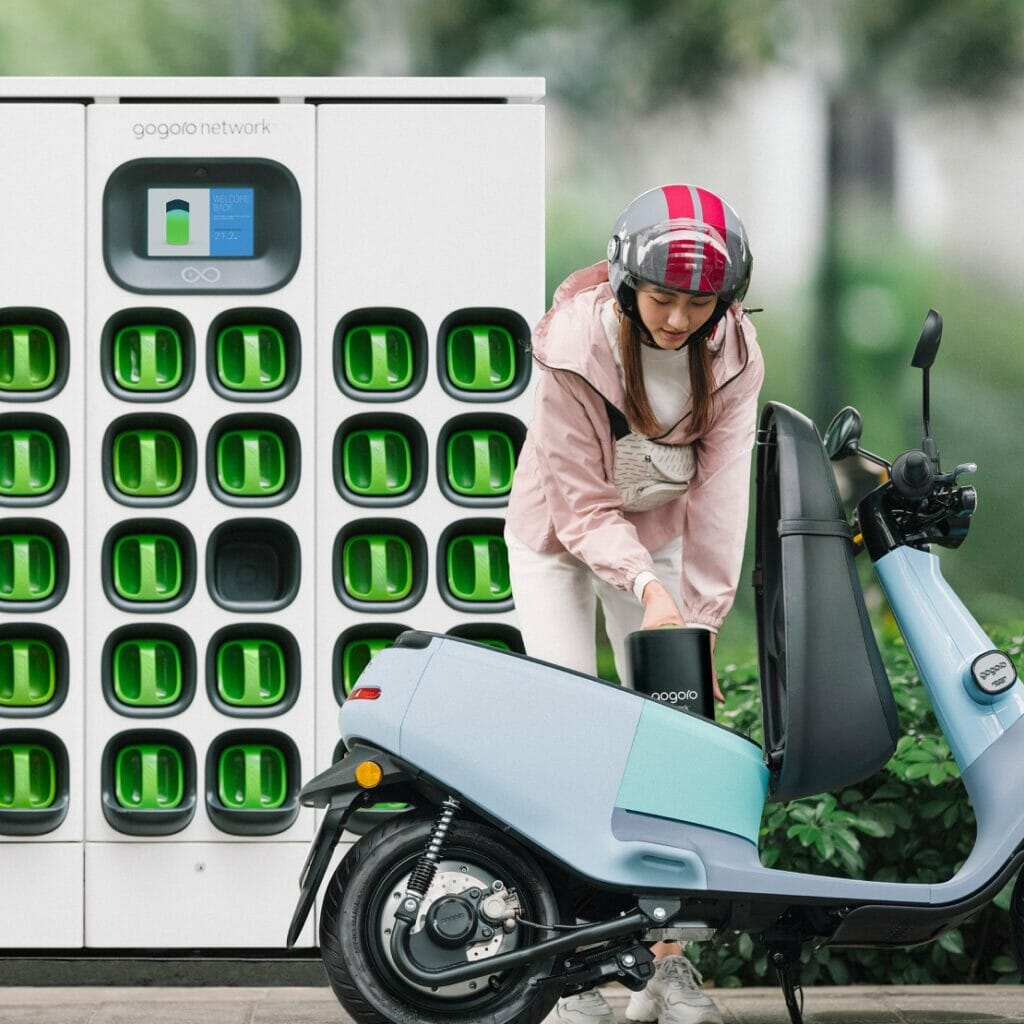
The Electric Motorcycles battery needs to be charged first. It takes anything from one to three hours and is quite similar to charging the battery of an electric vehicle. No additional equipment is needed; you may charge using any standard electrical socket.
Starting The Engine
Once the battery has been fully or partially charged, you can start the ignition of your motorcycle by turning the key. This is basically the same step as you would normally do with a conventional bike. Once the engine has been started, the power will start flowing from the battery to the engine.
Acceleration
The amount of power flowing from the battery into the electric engine will rise as you apply more pressure to the throttle and accelerate your motorcycle. The power will be transferred into the sprockets by moving engine components, which will then cause the chain to begin moving. The chain’s motion will activate the rotation of the rear wheel and the motorcycle will start going forward.
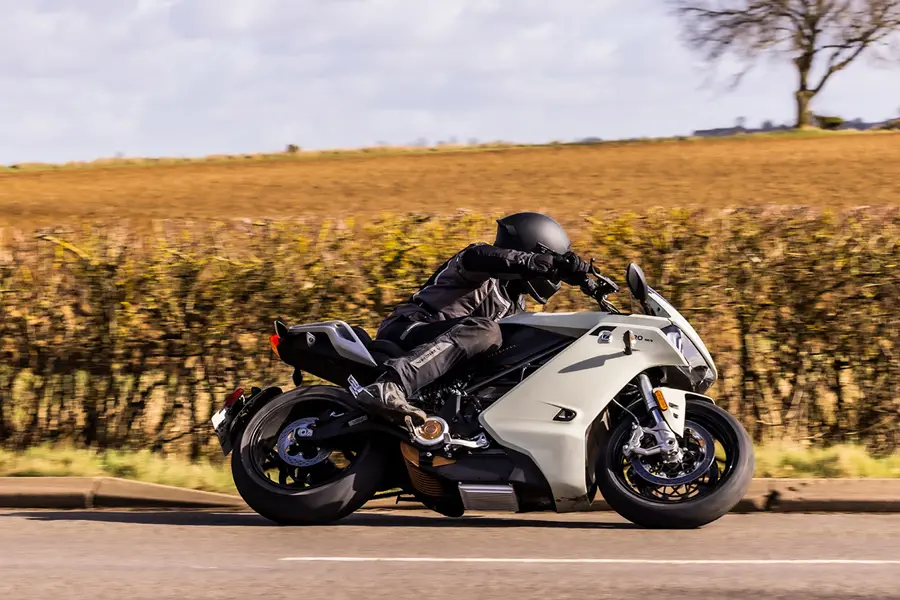
Thanks to very low friction in the engine, the acceleration of an electric motorcycle is much faster and more powerful than the acceleration of a gas-powered motorcycle.
Conclusion:
I sincerely hope that this little article about Electric Motorcycles and their operation has helped you gain a basic grasp of these vehicles. They are unquestionably amazing vehicles that will continue to grow in popularity.


