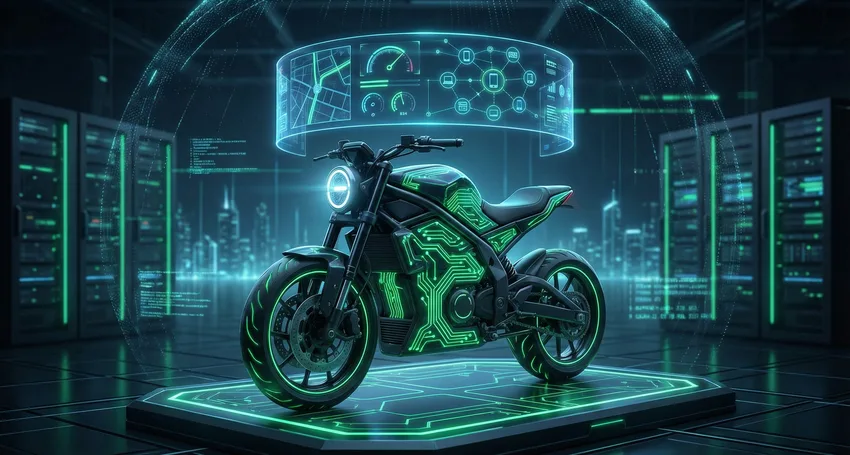
In an age where stealth, speed, and adaptability are paramount on the battlefield, the electric bike (E-bike) is emerging as a game-changing asset for armed forces around the world. These fast, light, and highly maneuverable vehicles offer a plethora of tactical advantages that are being increasingly recognized and utilized by military units globally.
A Closer Look at the Tactical E-Bike
E-bikes are not just environmentally friendly alternatives for urban commuters; they have found a significant role in modern warfare. Their silent operation and ability to swiftly traverse diverse terrains make them ideal for reconnaissance missions and rapid troop movement, all while minimizing the auditory and visual signatures that could betray their presence to the enemy.
Global Adoption and Innovations
From Australia to Ukraine, militaries are not only adopting but also innovatively enhancing E-bike technology. Australian forces, for example, are testing new stealth reconnaissance E-bikes that complement traditional armored vehicles like the Boxer combat reconnaissance vehicle. This integration of old and new tech underscores a strategic evolution in reconnaissance operations.
The ongoing conflict in Ukraine has spurred further interest and development in military E-bike technology. Ukrainian forces have adapted Western designs to enhance battlefield effectiveness, one such adaptation being the Delfast model, modified to carry potent portable weapons like the British NLAW (Next generation Light Anti-tank Weapon).
Tactical Applications in Combat
The versatility of E-bikes was dramatically demonstrated in the early stages of the Ukrainian conflict, where they were used in daring raids against armored units. This tactic has not only proven effective but has also been adopted for training exercises by other nations, including the UK, highlighting the E-bike’s potential in asymmetric warfare scenarios.
Performance Specifications
The capabilities of these E-bikes are impressive:
- Speed and Range: E-bikes like the Stealth H-2 used by the UK can reach speeds up to 50 miles per hour and offer a range of 37 miles on a single charge. The Ukrainian Elite Atom boasts an even greater range of 62 miles and a top speed of 43 miles per hour.
- Rechargeability and Armament: These bikes can be quickly recharged, even in field conditions, and are capable of being outfitted with weaponry, adding to their utility in combat situations.
Comparison with Traditional Motorbikes
While traditional motorbikes still have their place, particularly in conventional scenarios as demonstrated by Lithuanian forces during NATO exercises, E-bikes offer distinct advantages in stealth operations. Their reduced noise output and absence of dust trails make them particularly valuable for operations where concealment is critical.
Conclusion
The strategic incorporation of E-bikes into military operations is a testament to the evolving nature of warfare, where agility and stealth often outweigh traditional firepower and brute strength. As military tactics continue to adapt to new technologies and threats, the E-bike stands out as a symbol of modern warfare’s dynamic and innovative spirit.